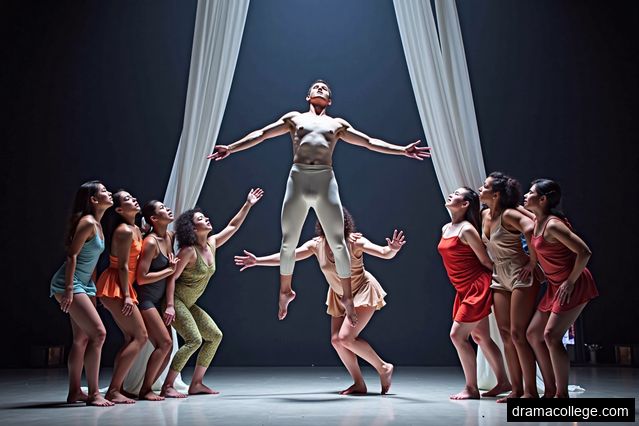
Exploring the Power of Movement
Movement is a fundamental element of physical theatre, as it allows performers to communicate and express themselves without relying solely on spoken words. Physicality becomes a language of its own, enabling actors to portray emotions, actions, and relationships in a vivid and compelling manner. Through the intentional use of movement, physical theatre brings stories to life and engages audiences on a visceral level.
Enhancing Expression through Gesture
Gesture plays a crucial role in physical theatre, as it adds depth and nuance to the characters and their interactions. Every gesture carries meaning, whether it's a simple hand movement or a complex sequence of choreographed actions. From a gentle touch to an exaggerated gesture, actors can convey emotions, intentions, and relationships with precision. By harnessing the power of gesture, physical theatre allows performers to communicate in a universal language that transcends words.
The Language of the Body
In physical theatre, the body becomes the primary tool of expression. Actors use their bodies to create shapes, lines, and dynamics that communicate ideas and emotions. Through the manipulation of their bodies, they can transform into different characters, animals, or even abstract concepts. The body becomes a canvas for storytelling, where every movement becomes a brushstroke that adds depth and texture to the performance.
Creating Intentional Movements
In physical theatre, every movement is intentional and purposeful. Each gesture contributes to the narrative, revealing character traits, relationships, and emotions. Movements can be fluid or sharp, gentle or forceful, depending on the story being told. Through rigorous training and rehearsal, actors develop the physicality required to execute movements with precision and control, ensuring that their performances are impactful and resonant.
The Collaborative Nature of Physical Theatre
Physical theatre is a collaborative art form that requires actors, directors, and choreographers to work closely together. Through experimentation and exploration, they develop movement sequences and gestures that align with the overall vision of the performance. The collaborative process allows performers to discover new possibilities and push the boundaries of their physicality, resulting in dynamic and visually stunning productions.
The Impact on the Audience
The use of movement and gesture in physical theatre has a profound impact on the audience. By transcending language barriers, physical theatre can communicate with audiences from diverse backgrounds and cultures. The visceral experience of witnessing the expressive power of the body creates a strong emotional connection, immersing viewers in the narrative and leaving a lasting impression. The combination of movement and gesture in physical theatre allows for a unique and captivating form of storytelling that engages both the mind and the senses.