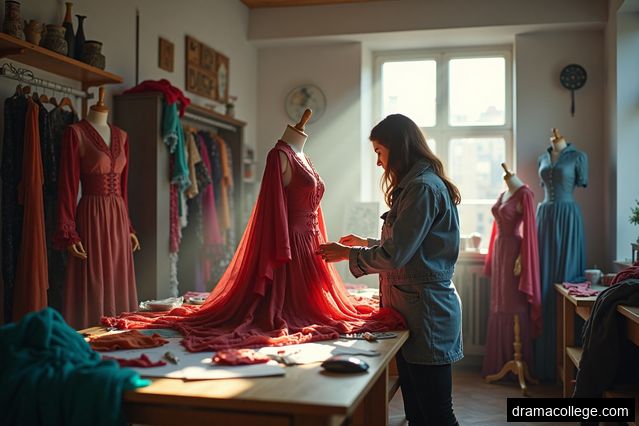
The Power of Costume Design
Costume design is a fundamental aspect of theatrical and cinematic productions. It goes beyond simply dressing the actors; it is a powerful tool that helps shape characters and their stories. The costumes worn by actors can provide valuable insights into their personalities, social status, and even the historical or cultural context in which the story is set. From the fabric choices to the color palette, every detail is carefully considered to create a visual language that enhances the overall narrative.
Creating Authenticity
Costume designers collaborate closely with directors, actors, and other members of the creative team to ensure the costumes align with the vision of the production. They conduct extensive research to accurately depict specific time periods or cultural settings. By using authentic fabrics, patterns, and accessories, costume designers transport audiences to different eras and locations, immersing them in the world of the characters. This attention to detail contributes to the overall authenticity of the production and enhances the audience's connection to the story.
Characterization through Costume
Costumes play a crucial role in shaping characters and their development. They can convey information about a character's profession, social status, personality traits, or even their emotional state. A character's clothing choices can reflect their internal struggles or transformation throughout the story. For example, a character who starts off in drab attire but gradually transitions to more vibrant and confident outfits may symbolize their personal growth and newfound self-assurance.
Symbolism and Subtext
Costumes can also be used to communicate symbolism and subtext. Colors, for instance, can have specific meanings within a cultural context. A costume designer may use color palettes to evoke certain emotions or highlight contrasts between characters. Additionally, subtle details such as accessories or patterns can provide additional layers of meaning. These carefully selected elements add depth to the characters and contribute to the overall storytelling experience.
Collaboration and Communication
Successful costume design is a result of effective collaboration and communication between the costume designer, director, and other members of the production team. The costume designer must understand the director's vision and work closely with the actors to ensure the costumes align with their characters' motivations and objectives. The designer's ability to interpret the script and translate it into visual elements is crucial in bringing the characters to life.
Impact on Audience Perception
Costume design has a direct impact on how audiences perceive and connect with characters. The choices made by the costume designer can influence how viewers relate to the characters on an emotional level. Whether it's a period piece, a fantasy world, or a contemporary setting, the costumes contribute to the overall believability and relatability of the characters. When done effectively, costume design can enhance the audience's immersion in the story and deepen their understanding of the characters' journeys.